
Get Your Free Pricing Now!
Plus Save 50% On Installation - Limited Time Only!

Introduction: Understanding Windows & Their Importance
Updating your home windows is a big project, but one that gives you a more comfortable and more attractive space to live in. The key to success is taking the time to learn more about available window materials and styles, energy efficient features, and how to choose your window installer.
What Quality Windows Bring to Your Home
Well-made house windows improve a property in so many ways. You’ll be surprised at how much of a change replacement windows can bring to your home. Let’s take a look at some of the biggest improvements that come with new windows:
Lots of advanced technology is used in efficient windows, like double- and triple-pane glass, gas fill, and thermal spacers.
Modern windows are available in dozens of styles and materials, with additional customizations.
New windows can bring in added home value in case you sell later.
With efficient, airtight windows, you'll enjoy reduced drafts and a more temperate interior.

What to Expect from this Guide
If you are looking for more information about buying windows and how to make sure you get the right product for your needs, you’ll find it all here. Alenco has put together this guide to give customers the foundation required to navigate the new window installation process, from researching window types and styles to finding a window installer.
Window Styles & Designs
You’ll find that house windows are available in many different styles and designs. Popular window brands, like Sunrise Windows & Doors and Infinity by Marvin, also offer custom windows for homeowners and business owners.
Their selection of window styles, materials, and window features is so large that you can even design windows with a truly personalized look and functionality. Some window styles you'll find through a manufacturer include:

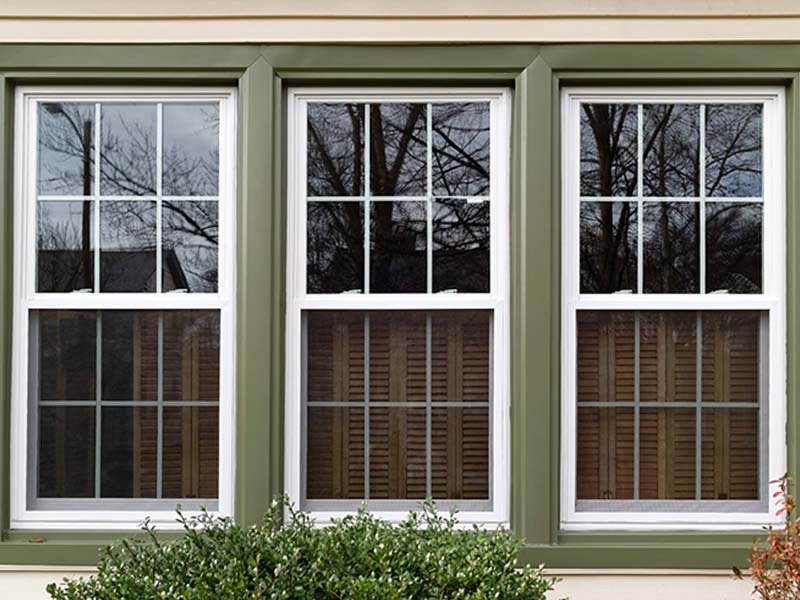
Some of the most commonly used window styles on the market. Double-hung windows also make maintenance easy thanks to their inward tilting window sashes.

This hinged window provides a ton of ventilation for the home without having to open the window wide or have multiple windows open.

Want to keep your windows open on a rainy day? You can do it with the outward-opening awning window that is ideal for rainy climates.
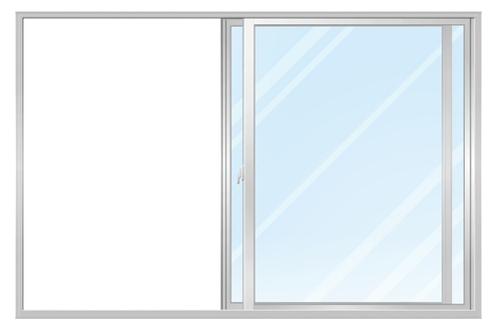
For a more modern look in an easy-to-open design, there’s the sliding window. These windows also save precious space in small rooms where you may not be able to use a hinged window.
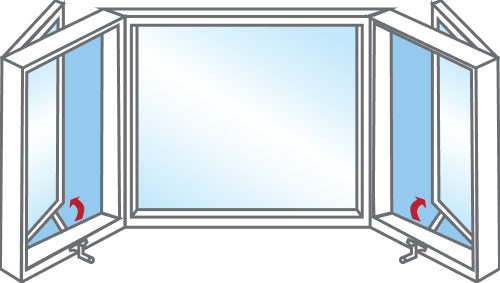
Add a touch of elegance to your home interior and exterior with these window boxes. Plus, you’ll gain several extra square feet of space, useful for a seating nook, breakfast area, or added storage.

Love an uninterrupted view from your home? Get a fixed picture window with no sash and a thin frame to provide the widest view possible.

If you are looking for a window style to install on the ground floor or a basement room, consider hopper windows. These small, hinged windows are great for increasing ventilation.

Every basement needs an Egress window to meet local regulations and ensure your family is safe. These large windows have easy-to-open handles and stairs or ladders leading to the outside in case of emergency.
Prevent storm damage from strong winds and flying debris with a storm window installation. These windows also offer added insulation, which reduces exterior street noise.
Save yourself time and hassle by installing an affordable vinyl window. With durable PVC frames, these low-maintenance windows stand up to the elements, pests, and UV fading over many years.
Understanding Energy-Efficient Windows
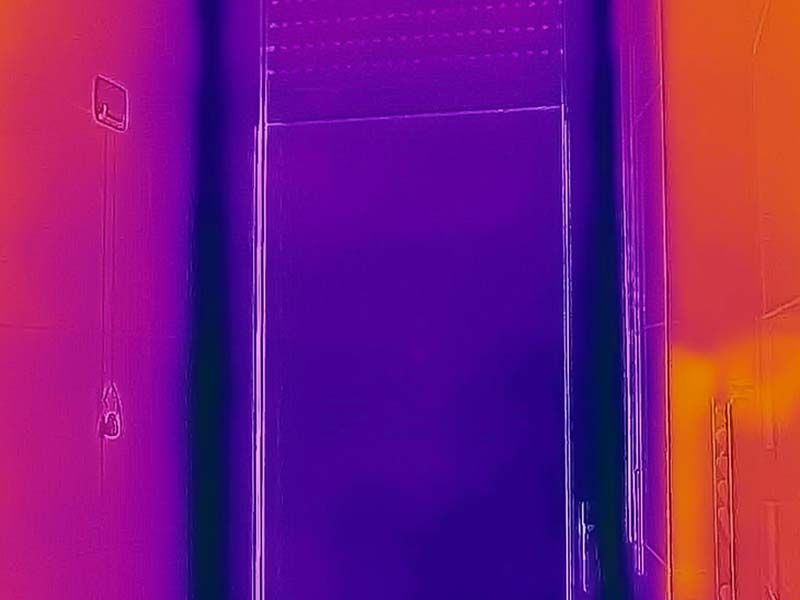
The energy-efficient windows we have today completely outclass any kind of insulative window design of the past, even just ten years ago. With quality replacement windows, homeowners can dramatically improve their comfort indoors and spend less on the utilities. Of course, there’s a lot of technology behind contemporary energy-saving windows.
The Windowpanes: Single vs. Double vs. Triple vs. Quadruple
It’s hard to imagine, but most homes up until the 1970s had single-pane glass windows. These windows were affordable, but they didn’t provide much protection against heat loss, moisture penetration, or exterior soundproofing.
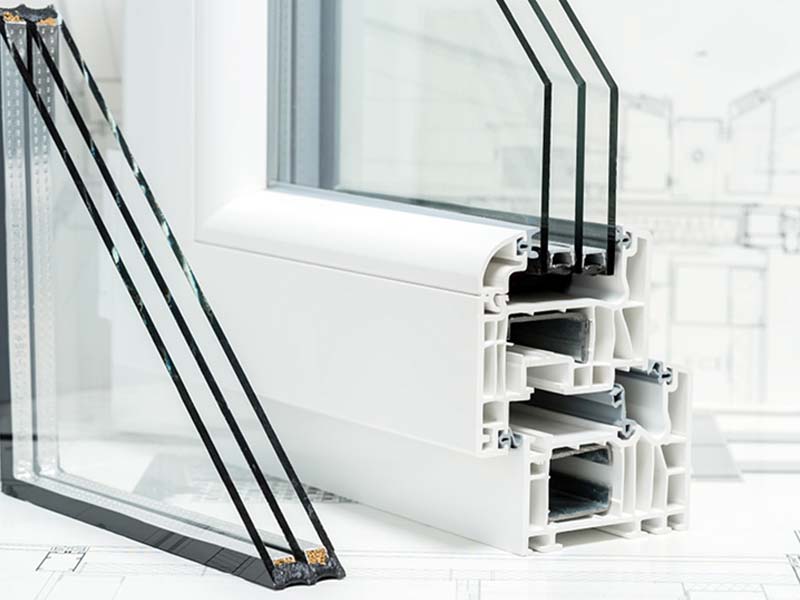
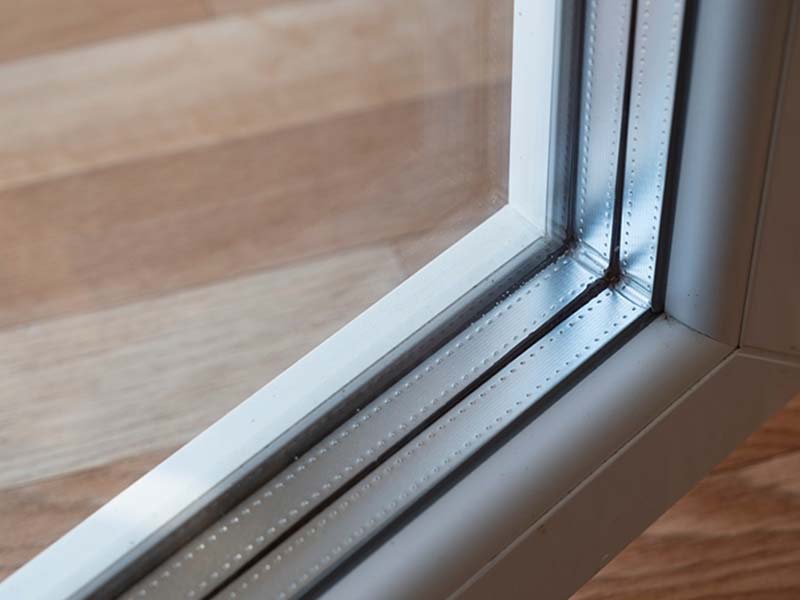
Now there are double-pane windows, triple-pane, and even quadruple pane windows available for homes and businesses. These windows are usually constructed with two or more glass panes secured in place by a spacer bar between them and the window frame on outside.
You may be wondering just how much better each of these efficient windows are than one another at preventing heat loss. There are many factors that can impact a window’s efficiency, not just how many panes they contain. But you can get a good idea by looking at the U-factor, which is the insulative value of the window. The lower the U-factor the better the window is at insulating your home.
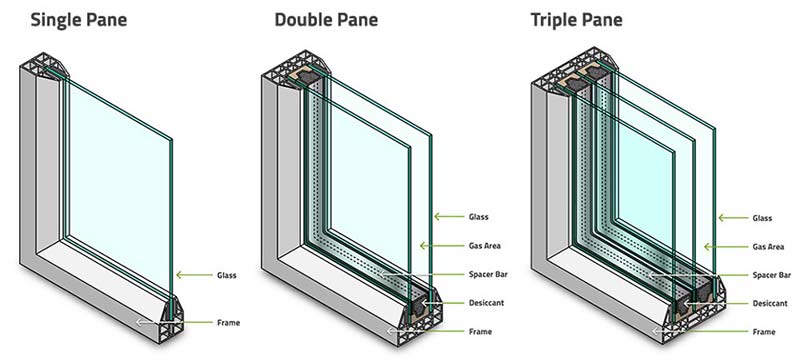
With just the glass pane, these windows provide almost no protection against heat transfer. They have a U-factor of around one per the Zero Energy Project.
High-performance double-pane windows can have a U-factor around .3 or lower per the International Association of Home Inspectors.
The triple-pane window may have a U-factor as low as .15 per InterNACHI. However, the Zero Energy Project reports that some triple-pane windows with a U-factor of .10 are on the market.
The U-factor ratings for quad-pane windows appear to vary from around .3 to as low as .07 depending on the manufacturer. However, the General Services Administration completed a study of lightweight quad-pane windows (PDF) that found a U-factor between .12 to .17.
Glass Coatings: Low-E Coatings & UV-Protection
Most people don’t realize that there are other ways to improve a window’s efficiency beyond adding more window panes too. For instance, window replacements with protective films and coatings can also be installed on your home.
A Low-E Coating is commonly used by manufacturers to block infrared and UV light from entering the property. These coatings are made of metallic oxides, but you will barely even notice a change in the view through your window because the coating is so thin.
Since UV and infrared light waves carry the most heat into the home, by blocking these types of light a low-E coating can provide a lot of protection for a very minimal amount of effort in manufacturing.
You may also have heard about UV-blocking ceramic films for windows. These films can be applied to the window as a tint by your manufacturer. You can also purchase ceramic films to DIY apply to your windows after installation. Ceramic films contain particles of ceramic that absorb or reflect UV and infrared light. A ceramic film won’t be as effective at blocking UV and infrared light as a low-E coating. However, the former is much more affordable compared to the latter, which is always a consideration.
Gas Fills: Argon vs. Krypton
Around the 1970s, window companies started implementing gas-fill technology in their multipaned windows. Vacuuming the air out of the space between two panes of glass and filling it with a noble gas like Argon or Krypton greatly improved efficiency. These gases are denser than air, so don't transfer as much heat and sound waves through the space between glass panes as air.
Yes, gas fill in your double- or triple-pane windows can also reduce street noise. Argon gas is the most widely used option for window insulation because it’s cost-effective and easily sourced. Krypton is twice as dense as Argon, making it more effective at insulating windows. But Krypton gas is also more expensive than Argon gas, so it hasn’t achieved the same level of popularity.
Some manufacturers also use Xenon gas fill for insulating windows. Xenon gas is nearly twice the density of Krypton gas providing even greater insulation gains. However, it is much more expensive than both Krypton and Argon gases.
Most manufacturers and property owners prefer to use the more readily available Argon gas because it is still an effective insulator at a more affordable price.
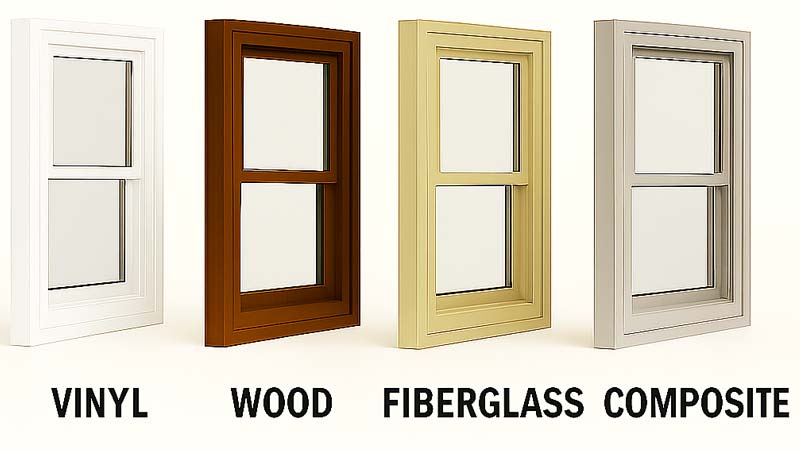
One of the best choices for an energy efficient window, fiberglass contains lots of microscopic air pockets that help prevent heat loss. Fiberglass is one of the most expensive options for window frames.
For a natural insulator, you can’t do better than a wood frame, which is similar to fiberglass because it has lots of small air pockets that help slow down heat transfer. Wood is also a more expensive window frame material. It’s also high maintenance, requiring regular painting or sealing to keep pests and moisture out.
Another good choice for energy efficient windows, vinyl is a poor conductor of heat. Vinyl is also a great moisture barrier because it doesn’t absorb water. Vinyl is an inexpensive and low-maintenance option too.
Frames: Vinyl vs. Wood vs. Aluminum vs. Fiberglass
Updating your windows for improved insulation and energy savings also means looking at the materials used in the frames. There are meaningful differences in how well certain materials insulate against heat transfer or act as moisture barriers. Different materials may also be more prone to damage from the weather and elements, which impacts the integrity and insulative abilities of those materials.
The least energy efficient window frames are usually made out of metals, like aluminum frames. Metal conducts heat and cold very easily. Often, manufacturers design aluminum frames with thermal breaks, air spaces and breaks between the metal, to slow down heat transfer through the frame. They may also install windows with a foam filler for added insulation inside the frame.
The Window Replacement Process: Step-by-Step

Initial Consultation
After contacting a window company, they will usually set up a free consultation with a local representative. During this in-home consultation, their expert will assess the windows you want replaced, take measurements, and go over some of the design options. If you are interested the expert can also create a free cost estimate for your window project.
During your consultation, make sure to ask lots of questions. This is your chance to find out everything you need to know about the company and their services. Some questions to consider include:
- Are you licensed as a remodeler?
- What kind of insurance do you carry?
- Do you have any examples of your work?
- Do you offer any warranty coverage?

Choosing the Right Windows
You’ll also have to pick the windows for your home. Most companies work with specific brands and will be able to show you the catalog of options available. Don’t hesitate to ask for recommendations based on your desired goals, like increased efficiency, lower prices, longevity, etc.
Once you select the window styles, colors, glass packages, and finishing touches for your windows, the contractor will order them from the manufacturer.

Measurements & Ordering
Ideally, your contractor will take multiple measurements of each window before placing the order for new windows. Getting accurate measurements is crucial. On installation day, window contractors should be able to pull out the old windows and install new ones with a minimum of adjustments to the window opening. Plus, contractors should be able to account for crooked or tilted window openings.
If the window is too big, the contractors will have to spend time expanding the window opening, which is costly. If the window is too small, extra shims or even new wood braces may be needed. This can also mean more air gaps in the window opening which potentially leads to drafts in your home.

Installation Day
Be ready bright and early for your window contractors to show up on installation day. The contractor may arrive with the windows in their truck, or the windows could have already been delivered to your home.
While it can take a few weeks to get to this point, most window installations take an hour or two to complete. If you have multiple windows to replace, just multiple an hour or two by the number of windows to get an idea of how long it will take to install your windows.
Also, be prepared for contractors to go in and out of your home throughout the day. You may want to secure your pets in a separate room or have a friend watch them for the day.

Cleanup & Final Inspection
When the windows are all installed, your contractors will clean up their tools and any packaging materials. They will also take away your old windows, so you don’t have to worry about disposal.
A lead contractor or project manager will show you each of the newly installed windows, going over their features and anything else you need to be aware of about your windows. Lastly, you should receive a copy of your warranty materials, including registration information.
Cost, Benefits & Choosing the Right Window Brand
When you are in the process of choosing the window for your home or business, there are several factors to consider. You’ll want to keep your budget in mind, look at any specials the contractor is offering, and think about things like longevity or maintenance too.
While every window installation costs a different price, the following always has an impact when you are choosing the right window brand for your property:
The cost breakdown is a comprehensive list of everything that goes into your new windows. This can change drastically as you add more customizations, additional windows, or if you opt for more affordable materials. The size of your windows also impacts pricing and is included in the cost breakdown.
Everyone should ask about discounts, specials, government rebates, and financing options when meeting with a contractor. Installing replacement windows is a big expense. Look for savings wherever you can to keep costs down.
If you plan to sell your home at any point in the future, the return on investment in window replacements is also important. Consider what returns you’ll get for certain materials and window features, like energy efficient upgrades.
Comparing the Top Window Brands
You’re in luck when it comes to choosing which window brand to order your custom windows from because there are several great manufacturers. These window brands include:

Offers cost-effective energy efficient windows for homeowners. Milgard is also known for being more affordable in general than other manufacturers.

They have a selection of window collections designed for different budgets and needs. Marvin windows are also available with a wide range of customization options.

Renewal by Andersen boasts the strong and efficient Fibrex composite frame material. They are also known for durable products and top customer service.

A long-established brand operating since 1925, Pella also offers multiple materials, including wood frames and a wide selection of customization options.
DIY vs. Hiring a Professional (Avoiding the "Chuck in a Truck")
When the time comes to hire a contractor to install your windows, you’ll have plenty of options for companies. Of course, you’ll have to be discerning in which company you choose for the job. It’s easy to be drawn to the most affordable window installer or just pick the first contractor you meet with for the work.
But you can end up with a bad contractor who overcharges or doesn’t charge enough and has to cut corners.
Know the Signs of a Dis-Reputable Installer
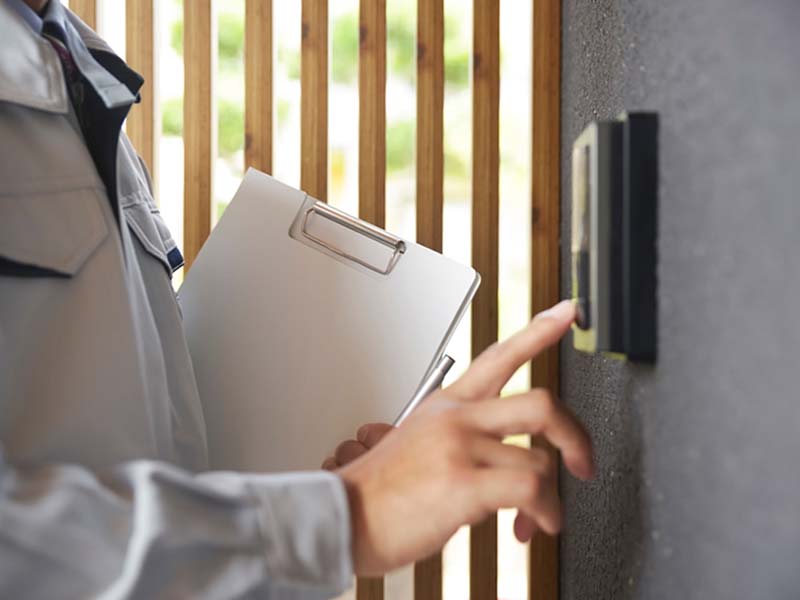
There are things to look out for in a poor quality window contractor. Knowing these signs can help you avoid hiring the next Chuck in a truck who messes up your window install.
Again, ask lots of questions of the contractor. Also, look at their certifications and online reviews. Be skeptical if they don’t have some kind of online presence. Almost all contractors have a business website or a Google Business Listing these days.
You should also watch out for red flags like no contracts or vague contracts. No insurance coverage is another big one too. If the contractor damages your property and they aren’t covered how will they pay to fix it?
Be discerning in your due diligence and you’ll easily find a reputable contractor.
To DIY or Not?
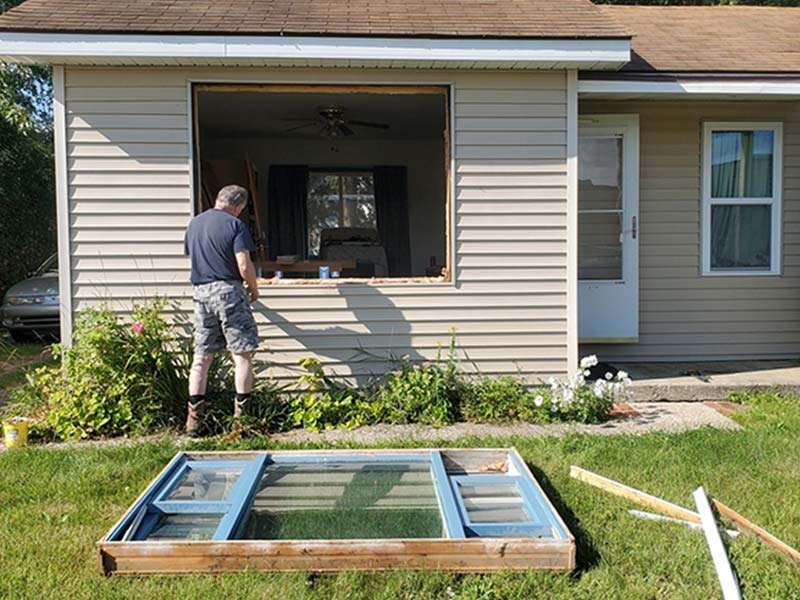
There’s also the temptation to DIY the project and save yourself the money. If you have training in home remodeling or window installation, this is a good option. For the majority of homeowners, this isn’t their background.
Attempting to install a new window without the training can open you up to potential mistakes and poor construction issues. It’s possible to take incorrect measurements that lead to a window not fitting in the window opening. You may have drafts and moisture entering around the wood frame from poor sealing. You might even have to pay someone else to come in and fix these issues anyway. If you aren’t completely comfortable with installing a replacement window, save yourself time and stress by hiring a professional the first time.
Signs It’s Time to Replace Your Windows
Are you wondering if it’s time to replace your windows? Before getting started on this project, it’s helpful to be able to recognize if your windows should be replaced or if you can avoid it with a few repairs.
Here are signs it’s time to replace your windows:
- Drafts and air leaks develop around the window frame which affect their energy efficiency.
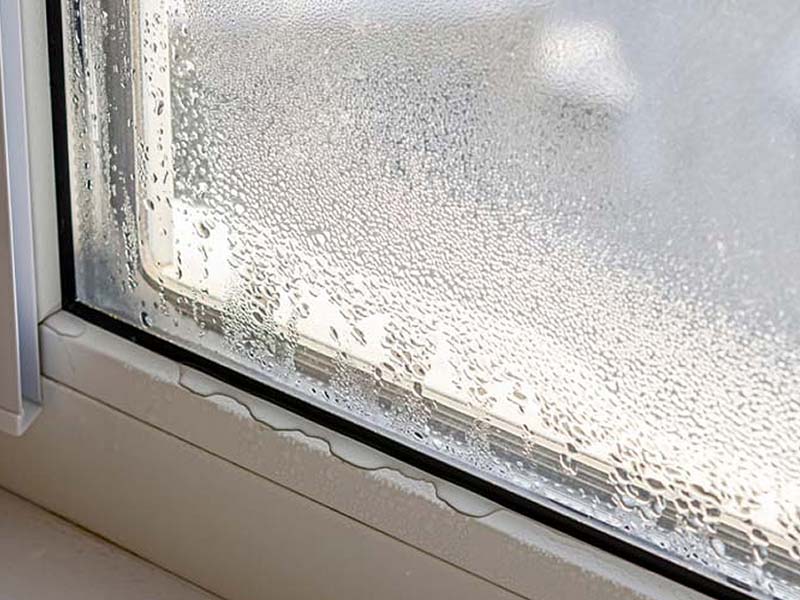
- Visible condensation forms between panes, indicating a seal failure that allows moisture in.
- Difficulty opening & closing the windows due to warped and split, aging frames.
- Outside noise pollution affecting your peace and calm inside due to poor window insulation.
- Visible damage to the window frames, like cracks, rotting, or warping, which affect curb appeal.
Best Time of Year for Window Replacement (Seasonal Pros & Cons)
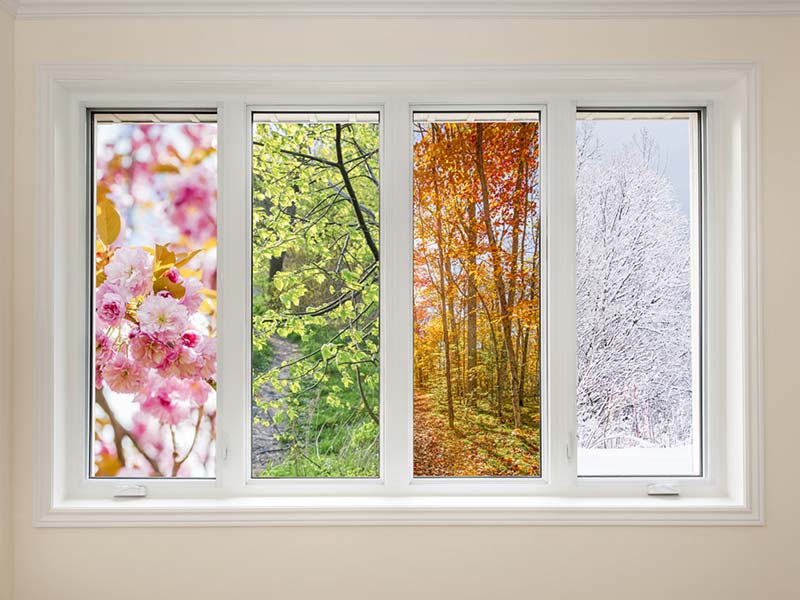
So, you know you need to replace your windows, and you want to hire a pro. Now you just need to figure out when is the best time of year for you to get window replacements installed. Every person’s needs are unique. If your window replacement isn’t urgent, take the time to figure out when the best season is for your project.
Here are the pros and cons of getting remodeling work completed during different times of the year:
The cost breakdown is a comprehensive list of everything that goes into your new windows. This can change drastically as you add more customizations, additional windows, or if you opt for more affordable materials. The size of your windows also impacts pricing and is included in the cost breakdown.
Everyone should ask about discounts, specials, government rebates, and financing options when meeting with a contractor. Installing replacement windows is a big expense. Look for savings wherever you can to keep costs down.
If you plan to sell your home at any point in the future, the return on investment in window replacements is also important. Consider what returns you’ll get for certain materials and window features, like energy efficient upgrades.
Next Steps: How to Get Started
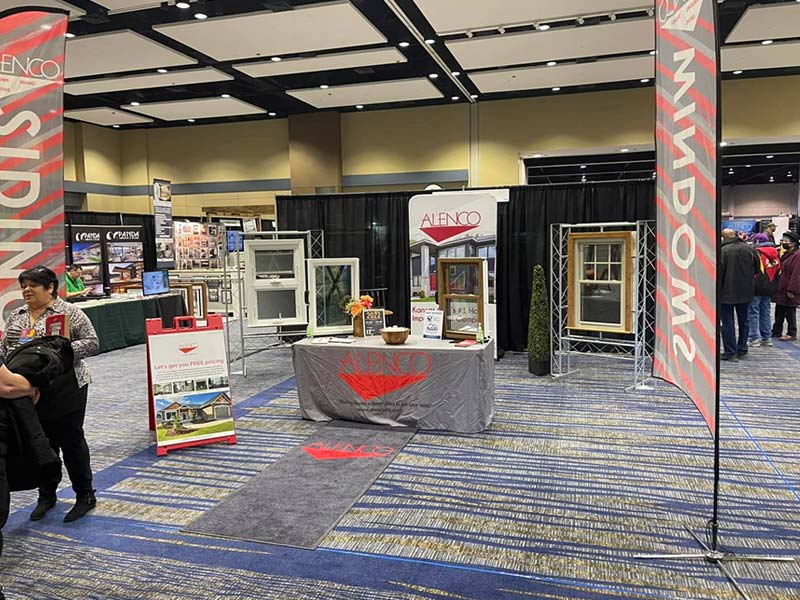
Alenco can help you take the next step in the process of getting replacement windows for your home or business. Our BBB-accredited and A+ rated window company serves customers in Kansas and Missouri, and Atlanta, GA.
We’ll be happy to meet with you to go over our window options and create a free quote. Our professionals are also familiar with our financing and payment plans. They can help you decide if financing is your best bet for an affordable window installation. We also offer windows backed by long-lasting warranty protection.
Learn more by calling us to schedule an assessment for new windows today.